


SUBTOTAL:
$0.00











News
The Difference between Office and Gaming Chairs
John BeaverChoosing the right chair has a direct impact on comfort, posture and long term well-being. Whether you work from home, spend hours gaming or move between both, the chair you sit on shapes your daily experience. Office chairs and gaming chairs look similar at first glance, yet they serve different purposes and suit different styles of work and play. Their structure, adjustability and design priorities vary, influencing how they feel during long sessions. Understanding the difference between office and gaming chairs helps you choose a seat that supports your needs while creating a workspace or gaming setup that feels comfortable and enjoyable.
How Ergonomic Chairs Shape Comfort for Work and Play
Ergonomic design refers to the way a chair supports the body’s natural posture. Office chairs and gaming chairs both use ergonomic features, but they apply them in different ways. Office chairs usually focus on providing balanced support for long hours of concentrated work. This includes adjustable seat height, lumbar support and tilt controls that allow small posture shifts during tasks. These adjustments help you maintain a steady, upright posture suited to typing, reading or video calls.
Gaming chairs also prioritise ergonomics, though their approach is shaped by the needs of long gaming sessions. They often include a high backrest, head pillow and pronounced lumbar cushion designed to support intense focus. The structure encourages a relaxed but aligned posture that suits gaming styles such as leaning back during strategy moments or sitting upright during action sequences.
Although both chair types can be comfortable, the experience differs. Office chairs favour subtle support and a tailored fit for long, steady work. Gaming chairs create a more enveloping feel, helping gamers stay comfortable through longer sessions that may include more varied movement patterns.

How Office and Gaming Chairs Influence Daily Workflow
The design of your chair plays a noticeable role in how you move through your day. Office chairs tend to have a minimal look that fits easily into mixed work environments. Their adjustability allows quick posture changes, helping you shift between typing, meetings or focused tasks without losing comfort. They support a neutral spinal position and provide the stability needed for professional workflows.
Gaming chairs, by contrast, are built with immersive sessions in mind. They often feature a bucket seat shape inspired by motorsport designs. This creates a snug feel that appeals to gamers who want full upper body support while maintaining mobility for controllers, keyboards or mice. The cushioning is generally thicker, helping reduce fatigue during high-intensity sessions or extended play.
The difference in workflow becomes clear when switching between tasks. Office chairs excel in environments where posture needs to stay controlled for long periods. Gaming chairs are better suited to alternating between relaxed positioning, focused upright play and quick movements during action.
Choosing the right chair depends on how you spend most of your time. If your day involves structured work and meetings, an office chair provides stability. If you spend long hours gaming or streaming, a gaming chair supports the varied positions gaming requires.
Recline Features, Chair Ergonomics and Adjustability: What Each Chair Does Best

Both office chairs and gaming chairs offer reclining features, yet they serve different purposes. Office chairs usually include a tilt mechanism that allows gentle reclining during breaks. This is designed to take pressure off the spine without disrupting focus. The movement is subtle, controlled and suited to work environments where stability is important. Some models also allow the tilt angle to lock in place to support short relaxation moments.
Gaming chairs typically offer deeper recline angles. Many can shift from a near upright posture to a near horizontal position, allowing gamers to rest between matches or relax fully during downtime. This wide range of recline is part of the signature gaming chair experience, creating a comfortable setup that adapts easily from action to relaxation. Pronounced lumbar and head support work hand in hand with these recline angles to support the spine throughout the transition.
Another difference lies in adjustability. Office chairs often include more refined adjustments for seat height, armrests, lumbar tension and tilt resistance. These controls support professional tasks where fine-tuning posture helps prevent fatigue. Gaming chairs tend to emphasise comfort through deeper recline and cushioning rather than detailed incremental adjustments.
For anyone who wants movement throughout the day, pairing either chair type with a sit stand desk adds flexibility. This encourages posture changes and supports overall comfort, especially during long sessions.
{{ spec_vanguard_chair }}
How Design and Materials Influence Comfort and Appearance
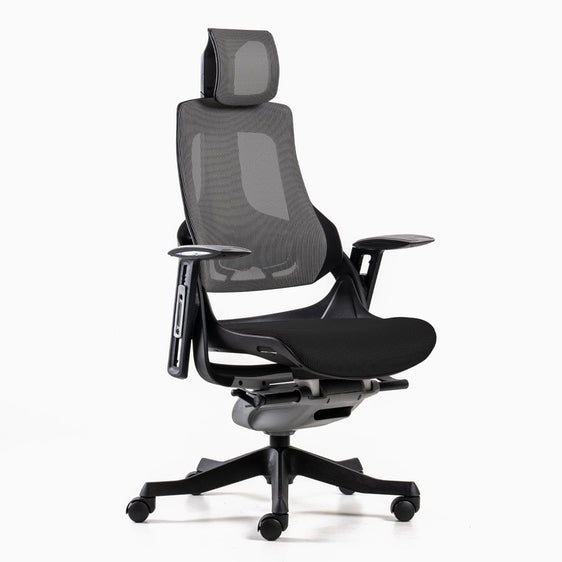
Design is one of the clearest distinctions between office and gaming chairs. Office chairs usually feature a streamlined silhouette with neutral colours and breathable materials. This suits workplaces or home offices where a professional look is preferred. Mesh backrests are common, offering increased airflow and helping maintain a comfortable temperature during long workdays. The goal is functional comfort that stays subtle and adaptable across different environments.
Gaming chairs have a bold, distinctive look. Many feature racing inspired shapes, bright colours and strong visual lines that stand out in a gaming setup. Cushioned seats and padded armrests give them a more enveloping feel, while upholstery materials such as PU leather or durable fabric can create a soft but supportive surface.
When comparing materials, each option has strengths. Office chairs favour breathable mesh and firm cushioning that help regulate temperature and maintain posture. Gaming chairs use more substantial padding for comfort during prolonged seated periods. The decision often comes down to preference and environment.
Both chair types can be part of a well-designed workstation. Matching your chair to the look and purpose of your space helps create a cohesive environment that supports comfort and productivity.

Choosing the Right Ergonomic Office Chair for Your Needs with Desky
Selecting the right chair means thinking about how you work, how you play and how long you spend seated each day. Office chairs provide controlled ergonomic support and a more understated style that suits productivity-focused environments. Gaming chairs offer deeper cushioning, wider recline ranges and a more immersive feel designed for long gaming sessions. Each type has strengths, and the best choice depends on your habits and priorities.
For many people, the ideal setup involves blending both worlds. A supportive office chair paired with a height-adjustable desk can form the foundation of a productive daily routine. A gaming chair can add comfort and personality to a dedicated gaming space. Desky offers ergonomic options that suit both approaches, helping you create a workspace or gaming setup tailored to your comfort and style.
If you are ready to improve your seating experience, consider how the structure, support and design of your next chair can influence your day. Desky provides a range of ergonomic solutions that combine comfort, functionality and durability, helping you build a space that feels ready for work, gaming or anything in between.
{{ spec_pro_plus_gaming_chair }}
About the author

You may also like

Desk Power Outlet with USB Ports Pros and Cons: Is a Desk ..
Workspaces now support laptops, phones, tablets, lighting, and a growing list of accessories. Managing...
May 15, 2026

Are Desk Power Outlets Safe for Daily Use?
Modern workstations rely on multiple devices. Laptops, monitors, phones, lighting, and accessories all...
May 13, 2026

Benefits of Installing a Desk Power Outlet: Top Desk Solut..
Modern workspaces rely on multiple devices every day. Laptops, monitors, chargers, lamps, and accessor...
May 07, 2026

Common Problems with Desk Power Outlets and Fixes in Offices
Reliable power access keeps modern offices running. Laptops, monitors, charging hubs and lighting all ...
May 05, 2026
