


SUBTOTAL:
$0.00












News
Understanding Colour Psychology in Modern Office Interiors
John BeaverColour plays a far greater role in workplace design than many people realise. It influences how teams feel, how they think and even how they respond to the demands of the workday. In modern office interiors, colour psychology supports productivity, mood and well-being while helping organisations communicate their identity. When chosen thoughtfully, colour becomes a strategic tool that shapes behaviour, heightens focus and contributes to a more enjoyable work environment. Desky’s approach to workspace design reflects this understanding, bringing together smart workstation choices with colour palettes that support clarity, comfort and connection. How can you apply colour psychology in modern office interiors?
Why Colour Psychology Matters in the Modern Workplace
Colour psychology has become an influential factor in contemporary office design. Businesses increasingly recognise that colour can shape how people interact, concentrate, and collaborate. A colour palette sets the tone for daily activity, guiding the atmosphere of different zones and helping staff shift between focused work and team tasks. When colours align with the needs of each area, the entire office becomes more intuitive to navigate.
Modern offices are designed to support both awareness and calm, and colour affects each of these outcomes. Soft, quiet hues can help lower stress and promote concentration, while more vibrant tones encourage engagement and communication. The right balance supports well-being throughout the day. Desky understands this relationship, ensuring that workstations, accessories, and materials complement wider colour selections to create an integrated experience.
Colour also contributes to brand presence. Presenting a palette that reflects organisational values helps strengthen identity and makes the workplace feel unified. For teams, consistent colours can create a sense of belonging that boosts satisfaction and pride in their environment.
How Colour Influences Productivity, Comfort and Collaboration
The psychological effects of colour are well-documented. Specific tones can support alertness, calm, motivation, or a sense of stability, making colour selection an important factor in designing modern office interiors. Blue and green tones often promote a sense of calm, helping staff manage long periods of concentrated work. These colours reduce mental tension and can support steady productivity.

On the other hand, brighter colours such as yellow or orange can encourage creative thought and energise group discussions. These tones are well-suited to brainstorming areas or meeting rooms where idea generation or active communication is encouraged. Even subtle colour accents can influence mood, such as desk accessories or workstation details that lift the visual tone of the space.
Colour can also help staff interpret the purpose of different zones. Cool shades might signal areas for quiet work, while warmer tones can help people identify zones intended for movement and interaction. By using colour to mark intent, businesses make their offices easier to navigate and more supportive of natural workflow.
Desky’s workstations can be coordinated with colour palettes to amplify these effects. The right choice of finish can soften technology-heavy areas and introduce warmth where needed. Through colour-aware design, a workspace becomes more comfortable and encourages positive daily habits.
Creating a Colour Palette That Supports Performance
A clear colour palette helps set direction for the design of a modern office. Using a combination of foundational tones and purposeful accent colours ensures that the space feels cohesive without becoming visually overstimulating. A base of neutral shades, such as soft whites, warm greys or muted earthy tones, provides a calm backdrop and allows sharper accent colours to stand out where it counts.
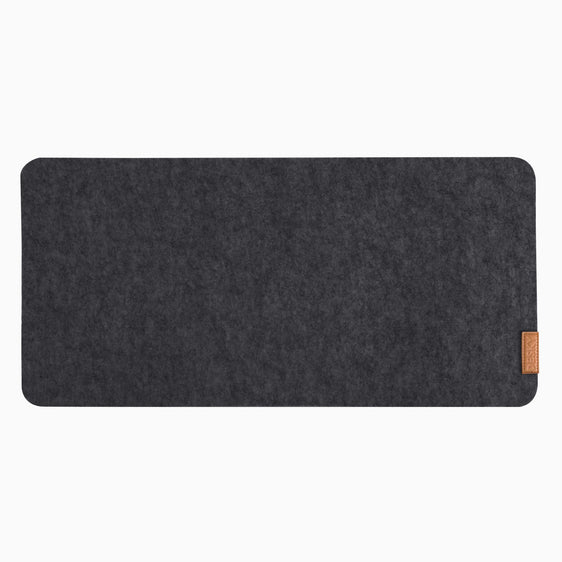
Accent colours can then be introduced to influence behaviour. A small amount of a bold shade in a collaboration zone can stimulate creativity without overwhelming the eye. Softer tones in focus rooms support sustained concentration. With Desky workstations, colour accents can be integrated through desk mats, risers or accessories so teams can personalise their space without disrupting the overall palette.
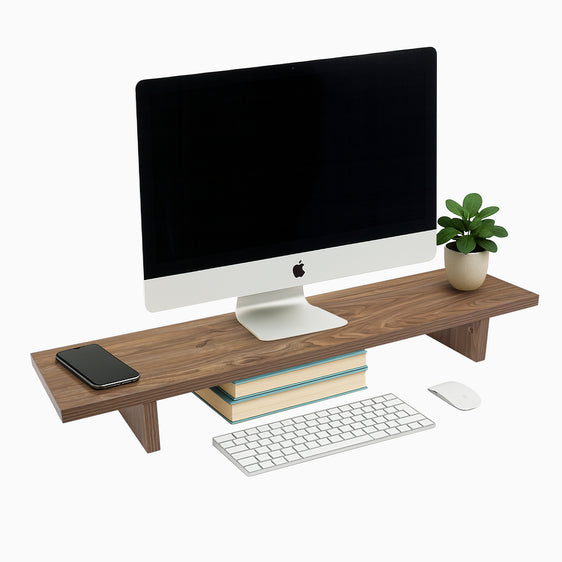
{{ spec_wooden_monitor_riser }}
When selecting colours, consider both the natural lighting in the office and the materials used throughout the space. Light, reflective surfaces may amplify colour intensity, while warm timber finishes can soften harsher tones. Desky’s bamboo and oak options work particularly well with blue and green accents, tying colour psychology with natural textures for a calming effect.
A consistent colour palette also creates visual order in open-plan offices. When colours are thoughtfully applied to floors, furniture and walls, the workspace feels more structured, which supports comfort and clarity throughout the day.
Coordinating Workstations and Colour for a Cohesive Office Design
Workstations are central to any office interior, so ensuring they align with the broader colour strategy is important. A workstation finish that complements the surrounding palette reinforces harmony and helps soften the transition between different zones. For example, a white or grey desk can pair with both cool and warm schemes, offering flexibility as colour trends evolve.
Natural finishes such as bamboo or oak work beautifully in biophilic-inspired interiors, adding warmth and texture. These tones blend well with greens, blues and neutrals, helping create a soothing environment. Accent colours can appear through chairs, desk organisers or artwork, allowing teams to refresh their space while maintaining balance.
Desky’s adjustable workstations add another layer of flexibility. Because they come in a variety of finishes and pair well with coloured accessories, they allow interiors to shift, grow and adapt over time. A space can feel updated without a full redesign simply by adjusting accent pieces or introducing new colour zones.
{{ spec_dual_bamboo_desk }}
When planning an office palette, consider maintenance as well. Some colours show marks or dust more readily. Choosing forgiving tones for high-contact surfaces ensures the office stays looking fresh with minimal upkeep.
Popular Colour Schemes for Modern Collaborative Spaces
Many modern offices now incorporate zones that inspire collaboration, and colour plays an important part in shaping these areas. Warm tones such as terracotta, coral or muted reds can encourage conversation and bring enthusiasm to shared activities. These hues are popular options for team spaces because they add energy without overwhelming the senses.
Pairing warm accent colours with grounding neutrals helps maintain comfort. A feature wall in burnt orange balanced with soft grey or timber desks creates an uplifting yet steady atmosphere. For meeting rooms, thoughtful pops of colour bring life to the space while maintaining the focus needed for productive discussion.
Smaller details reinforce these colour cues. A vibrant desk mat, colourful art piece or tonal chair cushion can unify a scheme and add personality. With modular workstation solutions from Desky, teams can refresh colour choices as needed, ensuring the office continues to feel relevant and engaging.
Using colour in this way supports the broader goals of the workspace. It encourages staff to move comfortably between tasks, signals the purpose of each zone and brings a sense of cohesion to the interior. When colour and workstation design come together, the environment becomes far more supportive of modern work habits.
About the author

You may also like

Desk Power Outlet with USB Ports Pros and Cons: Is a Desk ..
Workspaces now support laptops, phones, tablets, lighting, and a growing list of accessories. Managing...
May 15, 2026

Are Desk Power Outlets Safe for Daily Use?
Modern workstations rely on multiple devices. Laptops, monitors, phones, lighting, and accessories all...
May 13, 2026

Benefits of Installing a Desk Power Outlet: Top Desk Solut..
Modern workspaces rely on multiple devices every day. Laptops, monitors, chargers, lamps, and accessor...
May 07, 2026

Common Problems with Desk Power Outlets and Fixes in Offices
Reliable power access keeps modern offices running. Laptops, monitors, charging hubs and lighting all ...
May 05, 2026
