


SUBTOTAL:
$0.00













News
How Office Design Impacts Employee Mood in the Workplace
John BeaverOffice design does far more than provide a backdrop for meetings and computer work. The physical environment influences how people feel, how they connect with colleagues and how much energy they bring to their tasks. Thoughtful workplace design can lift mood, support health, and strengthen company culture, while a cluttered or uncomfortable space can have the opposite effect. Desky focuses on workstations and layouts that support comfort and flexibility, helping offices create work environments where mood and performance can thrive. Find out more about how office design impacts employee mood.
The Link between Office Design, Mood and Performance
Office design influences mood in many subtle ways. Light, layout, colour, noise levels, and furniture all send signals that shape how people feel during the day. When these elements work together, the office feels calm, organised and inviting. When they are neglected, even simple tasks can feel harder than they should. Environmental psychology shows that people respond strongly to their surroundings, which makes office design an important factor in employee well-being and performance.
A space with poor lighting, uncomfortable seating, or constant clutter can raise stress levels and drain motivation. Staff may feel tired, disengaged, or distracted, which then flows through to productivity and teamwork. On the other hand, offices that prioritise natural light, ergonomic furniture, and clear pathways give people room to think and move. Teams in these environments often report greater job satisfaction, stronger focus, and better collaboration, because the space supports rather than fights their efforts.

Design also communicates how much a business values its people. When employees see that care has gone into their work environment, they are more likely to feel respected and supported. Simple touches such as greenery, artwork, or a tidy breakout space show that the organisation has considered comfort as well as output.
How the Physical Workspace Shapes Daily Experience
The physical layout of an office influences every moment of the workday. Desk placement, storage, meeting spaces, and circulation paths all contribute to the overall work environment. A cramped layout with narrow walkways and crowded desks can create tension, while a well-planned space helps people move freely and feel more relaxed.
Lighting is a major factor. Access to natural light, supported by well-planned artificial office lighting, supports alertness and reduces eye strain. Noisy, high-traffic areas can be separated from focus zones so that staff can choose spaces that suit the kind of work they are doing. Colour choices also matter. Softer tones in quiet areas can encourage calm concentration, while brighter colours in collaboration zones can support lively discussion.
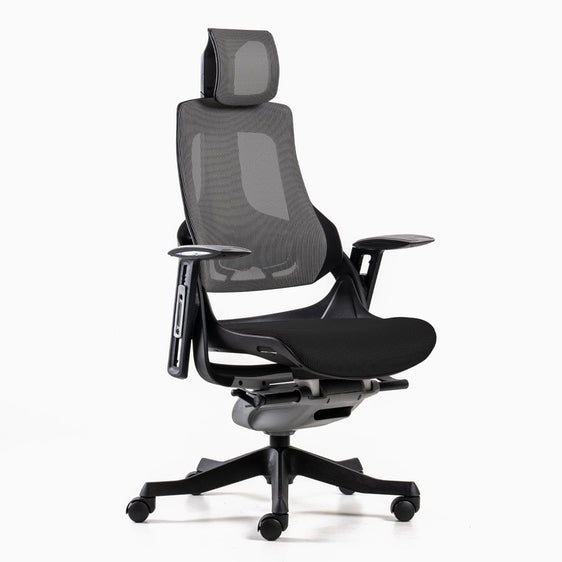
Furniture quality plays a clear role in the employee experience. Adjustable chairs and spacious desks reduce physical discomfort and create a sense of personal territory. When people can personalise part of their workspace with small items, photos or tools, they often feel more at home and more engaged with their surroundings. Companies that invest in this level of comfort often see an improvement in mood and motivation, because staff no longer have to push through avoidable distractions or aches.
{{ spec_desky-arco-office-chair }}
Ergonomics, Movement and Their Impact on Well-Being
Ergonomics is central to any workplace that takes employee well-being seriously. Sitting in one position for long periods can cause stiffness, fatigue and frustration. When staff experience regular discomfort, it is difficult for them to maintain a positive outlook. Ergonomic design, informed by environmental psychology and health research, aims to support the body in neutral positions and encourage gentle movement throughout the day.
Adjustable sit stand desks are a practical solution here. They allow workers to move between sitting and standing, which eases pressure on the back, neck and shoulders. This flexibility helps maintain energy and can even support cognitive performance, as regular movement increases blood flow and reduces the sluggish feeling that often comes from long periods of sitting. Desky desks are designed with smooth adjustment mechanisms and stable frames so that changing position feels simple and intuitive.
Movement also has psychological benefits. When people have the freedom to shift posture or step into a different zone for a short time, they feel more in control of their day. Small walking breaks, position changes and stretches can lower stress and help staff return to their tasks with fresh focus. A workplace that encourages these behaviours shows real care for employee health, which in turn lifts morale.
Flexible Layouts, Air Quality and Spaces for Different Moods
Modern workplace design increasingly relies on flexible layouts that support a wide range of activities. Fixed rows of desks are giving way to mixed environments that include collaboration tables, quiet rooms, lounge areas, and standing zones. This variety allows employees to choose the setting that matches their current task and mood, whether they need calm concentration or lively group discussion.
Air quality is another important factor in employee mood. Poor ventilation, stale air, or strong odours can cause discomfort and headaches, which quickly lower morale. Offices that invest in good airflow, effective ventilation systems, and indoor plants help workers feel fresher throughout the day. Clear sightlines and uncluttered surfaces further support a pleasant work environment, while acoustic panels or soft furnishings can reduce unwanted noise in busy areas.
{{ spec_back_to_back_round_leg_melamine }}
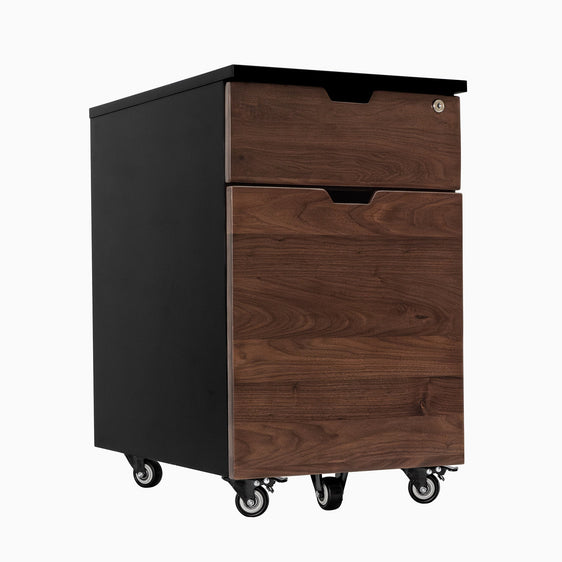
Flexibility extends to how spaces can be rearranged as needs change. Mobile storage, modular desks, and reconfigurable meeting areas allow businesses to adapt to new projects or team structures without major disruption. Desky’s workstation solutions are designed to support this kind of adaptability, making it simple to create new layouts that continue to support well-being and productivity as the workplace evolves.
Creating a Workplace That Supports Positive Mood with Desky
A workplace that supports good mood does not happen by accident. It grows from a series of design choices that recognise how office layout, lighting, ergonomics, and air quality influence the daily experience of employees. When a business prioritises comfort, flexibility, and thoughtful design, people are more likely to feel engaged, valued, and ready to deliver strong results.
Desky focuses on providing the foundations for this kind of work environment. Adjustable sit stand desks, ergonomic accessories, and adaptable furniture systems help teams build offices that feel supportive from morning to evening. By combining movement-friendly workstations with smart layouts and considered interior choices, organisations can shape a work environment that encourages better health, stronger collaboration, and a more positive atmosphere overall.
If you are planning an office refresh or a full redesign, consider how each design decision will influence the way your team feels at work. Align lighting, furniture, layout, and air quality with the goal of supporting mood and well-being, and you will create a workplace that people look forward to entering each day. Desky is ready to help you plan and furnish a thoughtful, flexible office design that supports your staff and your long-term goals.
About the author

You may also like

Desk Power Outlet with USB Ports Pros and Cons: Is a Desk ..
Workspaces now support laptops, phones, tablets, lighting, and a growing list of accessories. Managing...
May 15, 2026

Are Desk Power Outlets Safe for Daily Use?
Modern workstations rely on multiple devices. Laptops, monitors, phones, lighting, and accessories all...
May 13, 2026

Benefits of Installing a Desk Power Outlet: Top Desk Solut..
Modern workspaces rely on multiple devices every day. Laptops, monitors, chargers, lamps, and accessor...
May 07, 2026

Common Problems with Desk Power Outlets and Fixes in Offices
Reliable power access keeps modern offices running. Laptops, monitors, charging hubs and lighting all ...
May 05, 2026
