


SUBTOTAL:
$0.00













News
How Your Desk Setup Impacts Productivity: Lessons From Remote SaaS Teams
Caitlin Agnew-FrancisRemote SaaS teams rely on focus, speed, and consistency to deliver results. When teams work across time zones and home environments, productivity depends on more than tools and communication platforms. It is reflected in how your desk setup impacts productivity: lessons from remote SaaS teams, where physical setup shapes daily performance.
Many SaaS teams encounter productivity issues not because of skills or motivation, but because daily work happens in spaces never designed for long hours of focused effort. Desk height, layout, seating, and movement all influence how efficiently work gets done.
By learning from remote SaaS teams that have refined their work setups, founders and managers can identify practical ways to support stronger output, improved well-being, and more reliable performance across distributed teams.
The Link Between Desk Setup and Team Productivity in Remote Work
Desk setup shapes how work unfolds minute by minute. In remote environments, there is no shared office standard. Each employee works from a different space, often with varying furniture and layouts. These differences directly affect productivity.
Poor desk setups encourage static posture and constant micro-distractions. Fixed desks limit movement. Screens positioned too low or too high strain the neck and shoulders. Cluttered surfaces interrupt focused work by pulling attention away from tasks.
Remote SaaS teams that improve desk setup often report steadier energy and fewer slowdowns. Adjustable desks allow employees to change posture as tasks change. Clear desk surfaces support quicker transitions between tasks. Proper screen alignment reduces physical strain that can interrupt concentration.
Productivity gains often come from reducing friction rather than adding complexity. When the desk setup supports the body, mental effort can stay focused on problem-solving and collaboration rather than discomfort.

Personal Desks and Deep Work in Distributed SaaS Teams
Deep work is a priority for SaaS teams. Writing code, reviewing pull requests, and designing systems all require extended periods of focus. Personal desk setup plays a central role in whether deep work is sustainable.
Remote teams that support deep work often start with personal desks designed for focus rather than convenience. This includes adequate desk space, stable surfaces, and layouts that limit visual clutter. A clean desk supports a clear mental state, making it easier to stay engaged with complex tasks.
Height-adjustable desks help remote workers manage long focus sessions. Sitting may suit detailed tasks, while standing can support energy during planning or reviews. The ability to shift posture without leaving the desk helps maintain momentum.
Teams that encourage thoughtful personal desk setups often see improved time management. Employees spend less time adjusting their workspace and more time completing meaningful tasks. Over time, this supports stronger productivity across remote teams.
How Workspace Design Affects Employee Productivity and Well-being
Employee productivity and well-being are closely linked. Discomfort, fatigue, and strain gradually reduce output even when employees remain motivated. Workspace design either supports or undermines daily performance.
Remote SaaS teams frequently work longer hours than office-based teams. Without proper desk support, this leads to cumulative strain. Poor seating, fixed desks, and awkward layouts contribute to fatigue that affects both focus and morale.
Well-designed desk setups support well-being by encouraging movement and proper posture. Ergonomic alignment reduces strain on the back, shoulders, and wrists. Movement breaks supported by adjustable desks help employees stay alert throughout the day.
Teams that invest in better desk setups often see fewer interruptions due to discomfort. This leads to steadier productivity and more consistent engagement with work. Supporting wellbeing is not separate from productivity. It is part of how sustainable performance is achieved.
{{ spec_dual_hardwood_desk }}
Lessons From Remote SaaS Teams That Prioritise Desk Design
Remote SaaS teams that perform well over time often share common desk design principles. They treat desk setup as a productivity tool rather than a personal preference.
One lesson is standardisation. Teams that provide guidance or support for desk setup reduce variability that can affect performance. This helps remote employees create consistent work environments regardless of location.
Another lesson is flexibility. Sit-stand desks allow employees to adapt their workspace to different tasks. This supports collaboration, focused work, and meetings without needing multiple setups.
Remote teams also benefit from pairing desk design with clear communication habits. When physical discomfort is reduced, meetings become more focused, and tasks progress more smoothly. Desk setup supports productivity indirectly by reducing friction across the workday.
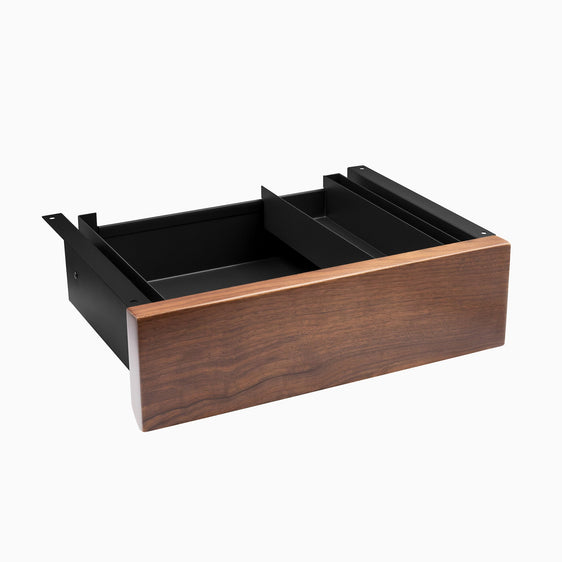
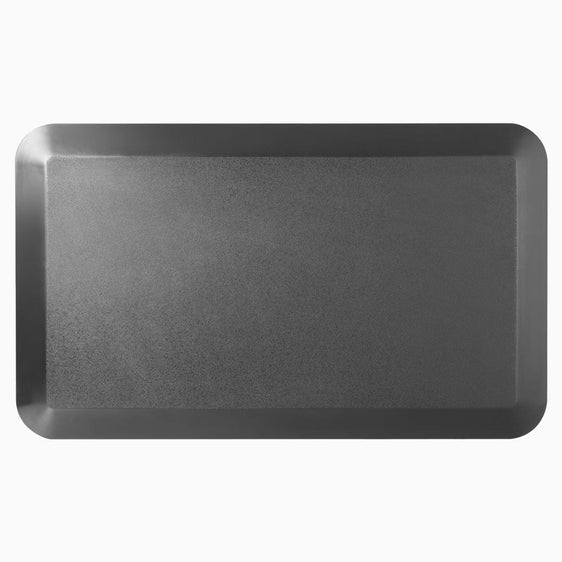
Desky works with remote teams to support these principles through adjustable desks and practical accessories designed for remote work patterns.
Practical Desk Setup Choices That Support Long-Term Productivity
Improving desk setup does not require a complete redesign. Small, deliberate changes can support meaningful productivity gains.
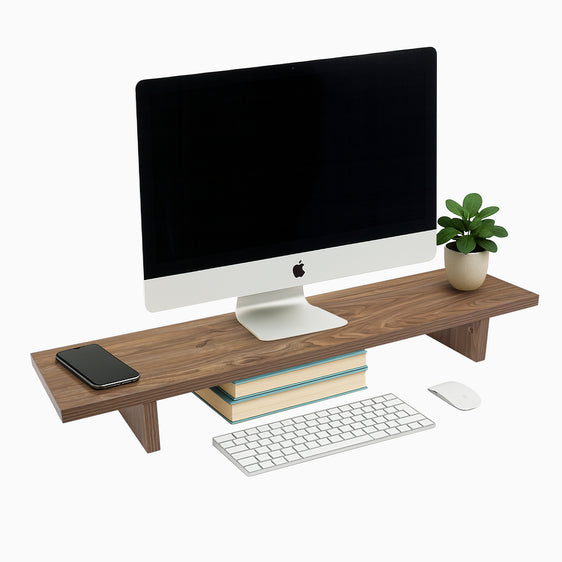
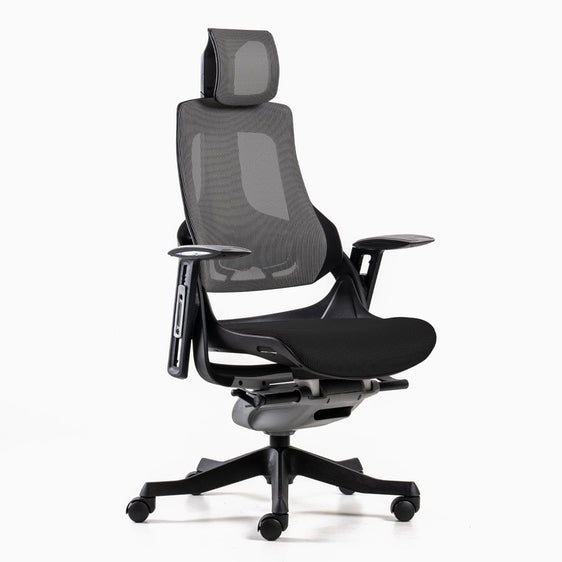
Height-adjustable desks allow employees to alternate between sitting and standing. Ergonomic chairs with proper lumbar support help maintain posture during seated work. Monitor arms position screens at eye level, reducing neck strain.
Desk organisation also matters. Clear surfaces, organised cables, and adequate space reduce distractions. A clean desk supports quicker task switching and better time management.
For remote SaaS teams, these choices support sustainable productivity rather than short bursts of output. When desk setup supports the body, work feels more manageable across long days.
Desky designs desks that support these needs for home offices and remote teams. Their solutions help teams create work environments that support focus, comfort, and consistent output.
To support stronger productivity across remote teams, reviewing desk setup is a practical place to start. Small improvements today can lead to better performance over time.
About the author

You may also like

Desk Power Outlet with USB Ports Pros and Cons: Is a Desk ..
Workspaces now support laptops, phones, tablets, lighting, and a growing list of accessories. Managing...
May 15, 2026

Are Desk Power Outlets Safe for Daily Use?
Modern workstations rely on multiple devices. Laptops, monitors, phones, lighting, and accessories all...
May 13, 2026

Benefits of Installing a Desk Power Outlet: Top Desk Solut..
Modern workspaces rely on multiple devices every day. Laptops, monitors, chargers, lamps, and accessor...
May 07, 2026

Common Problems with Desk Power Outlets and Fixes in Offices
Reliable power access keeps modern offices running. Laptops, monitors, charging hubs and lighting all ...
May 05, 2026
