


SUBTOTAL:
$0.00











News
Effective Ways to Reduce Clutter in Open Offices
John BeaverOpen offices promise energy, connection and flexibility. Without clear systems though, they can quickly feel noisy, messy, and hard to focus in. Visual distractions gather on shared desks, paper piles migrate from one table to the next and cables creep across the floor. With a few smart habits and furniture choices, you can keep the space calm, productive and easy to move through. Read on about effective ways to reduce clutter in open offices.
Why Clutter Is Such a Problem in Open Offices
Clutter becomes a noticeable problem in open offices because everyone shares the same visual field. One untidy workstation can influence the atmosphere of the entire room. When paper piles stack up, spare monitors sit unused or cables run across surfaces and walkways, the space starts to feel busy and distracting. This makes it harder for people to concentrate and can increase feelings of stress during the workday.
Much of this clutter comes from everyday habits. Personal items often spread across shared desks, paperwork builds up when filing or scanning routines are unclear, and spare tech, chargers, and accessories accumulate without dedicated storage. Cable management also plays a significant role. When cables around computers and sit stand desks are left loose, they contribute to visual noise and make workstations appear more chaotic.
Studies in workplace design consistently show that tidy spaces support better focus, quicker decision-making, and higher job satisfaction. A clear desk reduces mental load because there is less visual information for the brain to process. This helps people move through tasks with more clarity and less fatigue.
In shared environments, good decluttering habits also strengthen teamwork. When everything has its place, staff can find what they need quickly, hot-desking becomes more efficient and the office presents as organised and professional to visitors. A tidy, well-managed space supports both productivity and a positive workplace culture.
How Sit Stand Desks Help Reduce Visual Clutter
Furniture has a strong influence on how tidy an office feels, and sit stand desks play a big part in keeping visual clutter under control. Desky designs its workstations with clean lines and subtle, practical features that minimise distractions and support an organised environment. One of the biggest advantages is the built-in cable management. Loose cords can make any desk look chaotic, so having cable trays and grommets that keep everything tucked neatly underneath helps maintain a clear surface and reduces tripping hazards in shared walkways.

The size and layout of the desktop also matter. A well-proportioned work surface provides enough room for a laptop, monitor and the accessories staff use most, without encouraging people to spread out unnecessary items. With only core devices, a couple of personal belongings and a small desk organiser on display, everything else can be stored out of sight. This keeps the workstation visually calm and supports better focus throughout the day.
Another benefit of sit stand desks is the natural prompt they create for small resets. Moving between sitting and standing encourages staff to quickly sort items and straighten the desktop. These small, frequent adjustments stop clutter from building up and help keep the space ready for collaboration or hot-desking at any moment. By combining thoughtful design with movement-friendly functionality, sit stand desks make it far easier to maintain a tidy, inviting workspace.
Practical Ways to Reduce Clutter in Open Offices
Once the right workstations are in place, simple daily habits can make a noticeable difference in keeping an open office organised. These practical approaches bring structure to shared environments and help teams maintain a tidy space without much effort.
A major cause of clutter is the lack of a clear home for commonly used items. Creating dedicated zones for stationery, printing supplies, frequently used tech accessories and personal storage helps prevent items from drifting across desks. Labeling shelves and drawers also makes it easier for staff to return things to the correct place. When everything has a defined spot, people naturally keep the office more organised.
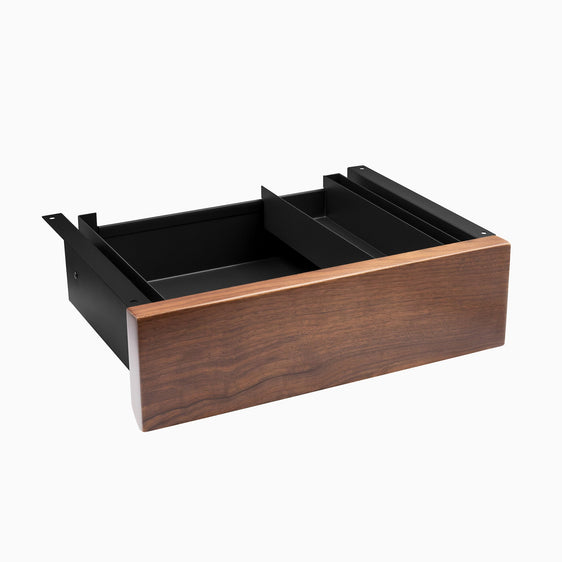
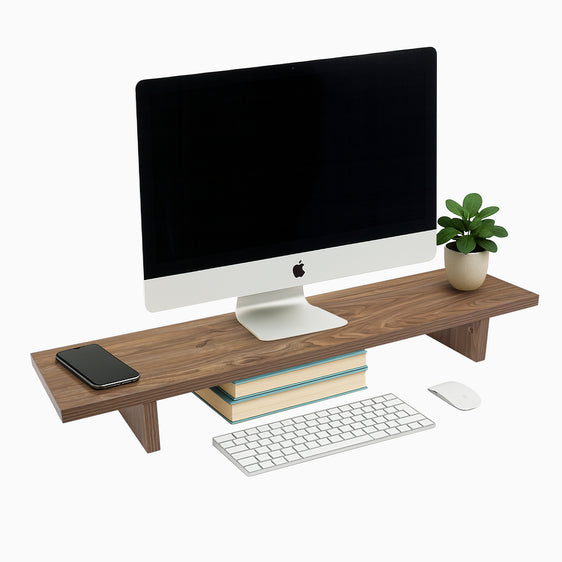
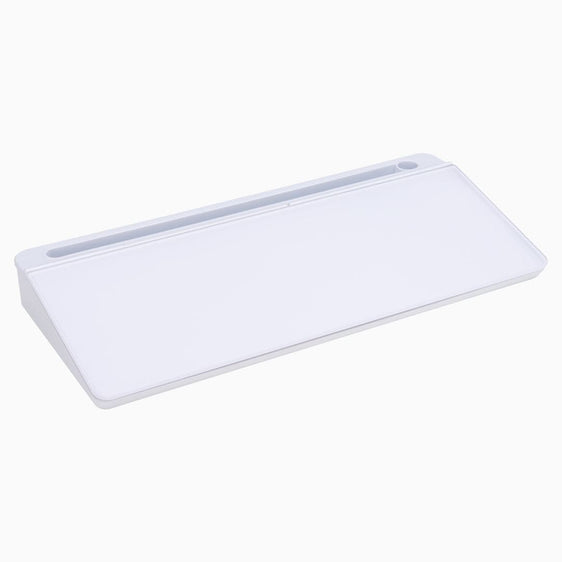
Well-chosen desk accessories can also support tidiness. Desk organisers keep pens, notes, and small tools in order, while monitor arms free up valuable space beneath screens. Under-desk hooks offer a discreet place for bags and headphones, reducing visual clutter on work surfaces. These kinds of accessories work well with Desky sit-stand desks and help reinforce a clean, practical workstation layout.
Simple, light-touch rules can further support a clutter-free environment. Limiting personal items on shared desks, keeping only the paperwork needed for the day and setting a short tidy-up routine before lunch and at the end of the day can establish helpful habits without feeling strict. Over time, these small actions blend into the rhythm of the office and contribute to creating a space that feels organized, welcoming, and easy to work in.
Smarter Paper Management and Less Digital Clutter
Paper management remains one of the biggest challenges in any office, and in open spaces stray documents can quickly become visual distractions or even expose sensitive information. A combined approach that addresses both physical and digital workflows helps keep everything under control. Creating a paper-light workflow does not require a fully paper-free environment, but small adjustments can significantly reduce printing.
Using digital signatures and online forms limits the need for hard copies, while storing project documents in shared cloud folders removes the reliance on binders. Setting printers to double-sided mode reduces paper use automatically, and placing recycling bins and shredders near printing areas encourages responsible document disposal. When printing is necessary, install simple tray systems for incoming documents to prevent paper from spreading across shared desks.
{{ spec_bamboo_organiser_set }}
Scanning and filing should also be easy; otherwise, paper piles will continue to grow. Fast, user-friendly scanners and straightforward digital folder structures make it far more likely that staff will keep documents moving. A simple habit, such as scanning and filing within 24 hours, prevents clutter from building. Scheduling a weekly review of paper stacks gives teams the chance to sort through documents, declutter outdated items, and clear space. This works well when paired with periodic digital clean ups, reinforcing consistency across all forms of information management.
Digital clutter can be just as distracting as physical mess. Disorganised folders, overflowing downloads, and constant notifications pull focus and slow down workflows. Encouraging staff to keep their digital environments tidy by organising files into shared structures, archiving completed work, and switching off unnecessary alerts supports smoother concentration. A calm digital space often leads to clearer thinking and better productivity.
Together, streamlined paper processes and reduced digital clutter make the entire office feel lighter and more manageable. These improvements support both well-being and performance, aligning strongly with the goals of creating a tidy, efficient open office environment.
Make Tidy Open Offices a Lasting Habit with Desky
A clutter-free open office is not created in a single cleanup day. It comes from pairing smart systems with furniture that supports everyday habits. Desky sit stand desks, cable management solutions and storage accessories give teams the tools they need to keep their workspace lean, flexible, and ready for collaboration.
To keep momentum going, it helps to review office decluttering practices every few months and make small adjustments where needed. Checking in with staff about what gets in the way of staying tidy can reveal simple layout or storage changes that make the workspace easier to maintain. It is also worthwhile to acknowledge improvements, whether it is a quicker setup for team meetings or smoother hot-desking.
These positive results reinforce good habits and help the office maintain an organised, supportive environment over time. When people feel proud of their environment, clutter naturally becomes less of an issue. A well-organised, movement-friendly workspace signals that focus and well-being are valued.
If you are ready to reduce clutter in your open office, consider how Desky workstations, sit stand desks and accessories can support your layout. Thoughtful furniture, combined with simple systems for sorting items and managing paper, will help your team enjoy a space that is tidy, welcoming, and designed for productive work every day.
About the author

You may also like

Desk Power Outlet with USB Ports Pros and Cons: Is a Desk ..
Workspaces now support laptops, phones, tablets, lighting, and a growing list of accessories. Managing...
May 15, 2026

Are Desk Power Outlets Safe for Daily Use?
Modern workstations rely on multiple devices. Laptops, monitors, phones, lighting, and accessories all...
May 13, 2026

Benefits of Installing a Desk Power Outlet: Top Desk Solut..
Modern workspaces rely on multiple devices every day. Laptops, monitors, chargers, lamps, and accessor...
May 07, 2026

Common Problems with Desk Power Outlets and Fixes in Offices
Reliable power access keeps modern offices running. Laptops, monitors, charging hubs and lighting all ...
May 05, 2026
